
“Shit,” Tímea hissed as she desperately yanked at the tiny zipper on the pocket of her tight, poison-green satin trousers, leaning against the bathroom wall.
The tiny gold teeth stubbornly resisted. Not only did they refuse to close, but they completely blocked the puller from moving. Since her off-white, short-sleeved, knitted top ended just above the zipper, the young woman tugged at her clothes with growing frustration. The pocket was in too conspicuous a place to leave it as it was. Suddenly, as if she’d been struck by a brilliant idea, she reached under the touchless soap dispenser mounted above the sink. The device buzzed but dispensed nothing. Tímea rolled her eyes and slapped the dispenser, then tried again.
One single drop— that’s all she got in the end.
The face of the young woman, barely twenty-five, lit up. She was preparing for a job interview. She rubbed the droplet of liquid soap, already diluted by water, onto the zipper. It didn’t help much. Still, she yanked the puller again, hopeful, then hit the edge of the sink in frustration.
She blew her nose, adjusted her shoulder-length, reddish-brown hair, ran her fingers through it, then flipped a thick strand loosely to the other side. Partly to brighten her tired face, partly to hide the finger-width roots at her scalp. She considered putting on a bit of makeup, but in the end, she didn’t trust herself. Her eyes were too sensitive; they watered at the slightest irritation. The last thing she needed was to sit in front of a who-knows-how-large committee with a smudged face. What mattered now was her knowledge and professional experience.
The young, baby-faced man— probably around her age— stood casually in the spacious, bare office, hands in his pockets. The room was furnished with nothing but a single grey desk and a narrow glass-fronted grey cabinet. Through the half-lowered blinds, there was a view of the Danube.
“I’m here for the job interview,” Tímea whispered, her knees trembling.
“Good. So am I,” the man replied in a slightly mocking tone.
He gave a short nod toward the desk. Tímea awkwardly headed for the only chair.
“Here?”
“Do you see another one?”
“No, I just… I mean, where will you—”
“I’m perfectly fine, thank you. If I wanted, I could have my assistants bring me a chair.”
Tímea nodded and slowly sat down. An uncomfortable, heavy knot formed in her stomach.
“So? Why do you think I should hire you?” he asked sarcastically, his eyes deliberately sizing her up.
His gaze lingered on her worn shoes, on the finger-wide regrowth at her hairline, then stopped at her hand awkwardly trying to cover the damned zipper.
It was obvious he was looking for flaws and couldn’t care less about Tímea’s qualifications or professional experience. Contempt was etched on his face, and he didn’t bother to hide it.
Tímea started listing her rehearsed sentences— at first firmly, then with growing uncertainty. The air in the room grew heavy with tension and rising antipathy.
“I don’t care what you’ve studied or what you’ve done so far. I need someone with a strong presence, someone who can read my mind and work seamlessly under pressure.”
The knot in Tímea’s stomach kept growing. It seemed to press into her chest, then onto her thighs. Her fingers clutched the zipper pull with a painful grip.
As the man spoke, Tímea couldn’t help but imagine herself trying to meet his expectations, to please her baby-faced boss. The gigantic knot took over her throat, numbed her tongue, and settled with a leaden weight on her toes.
She dragged herself down the stairs in exhaustion. Tímea couldn’t even remember when she had decided to leave the suffocating office. Nor whether she had said goodbye at all.
The young man felt relieved when the door slammed shut. He didn’t want the long-forgotten past to invade his present life again. The struggle, the constant anxiety, the lack of money were still vivid in his memory. Years of hard work had finally buried it all. His shoes were made of soft leather, his clothes of excellent quality. He wasn’t going to watch someone else’s struggle play out in front of him. He never again wanted to see insignificant nobodies with trembling hands and split zippers.
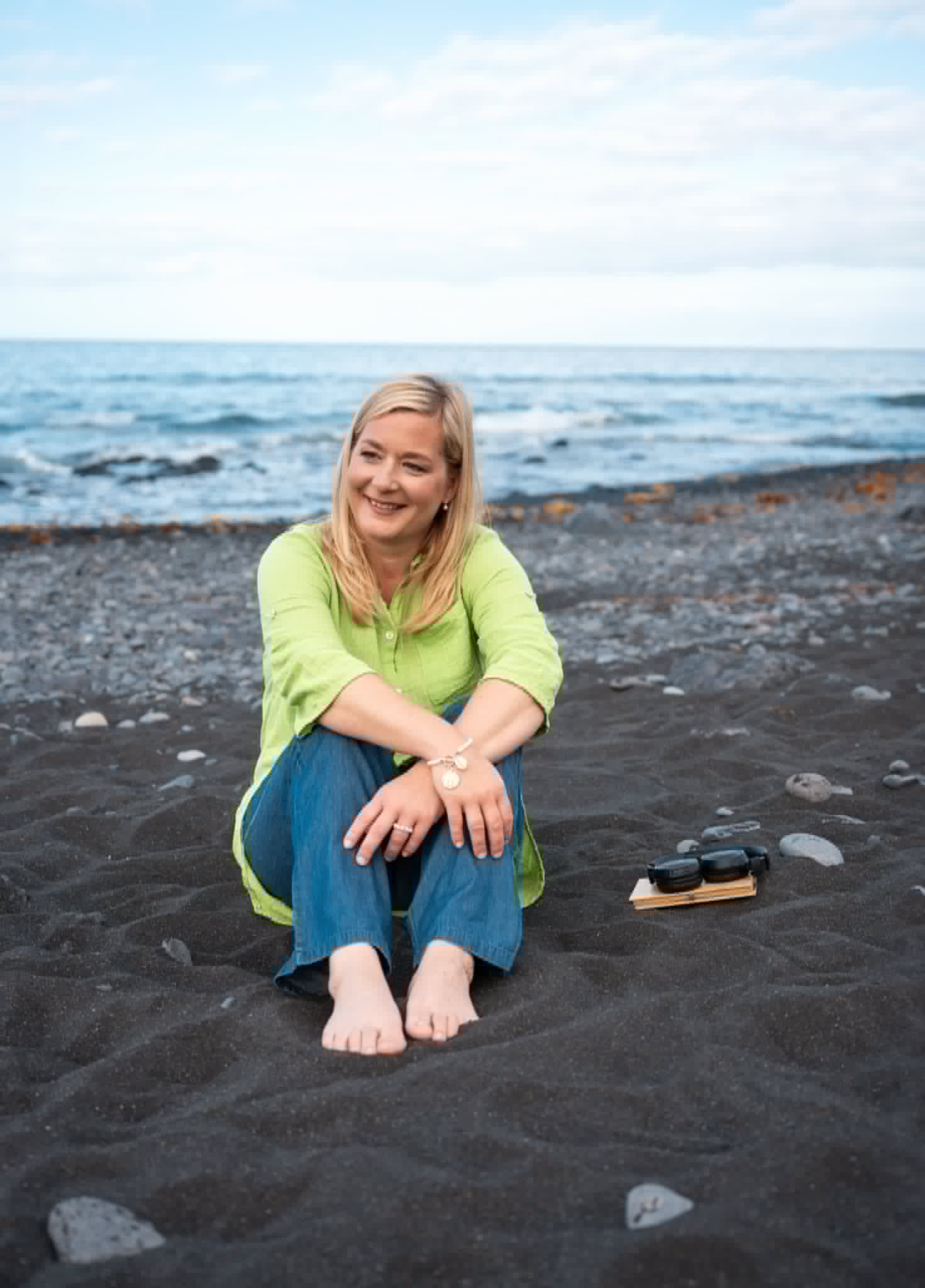
Who is Sonja Blonde?
Curious who’s behind the stories? I’ll tell you how my passion became my career and why I write stories like these.
New episodes on Mondays and Thursdays: Emily's Diary and The Salon →