The House Number Two
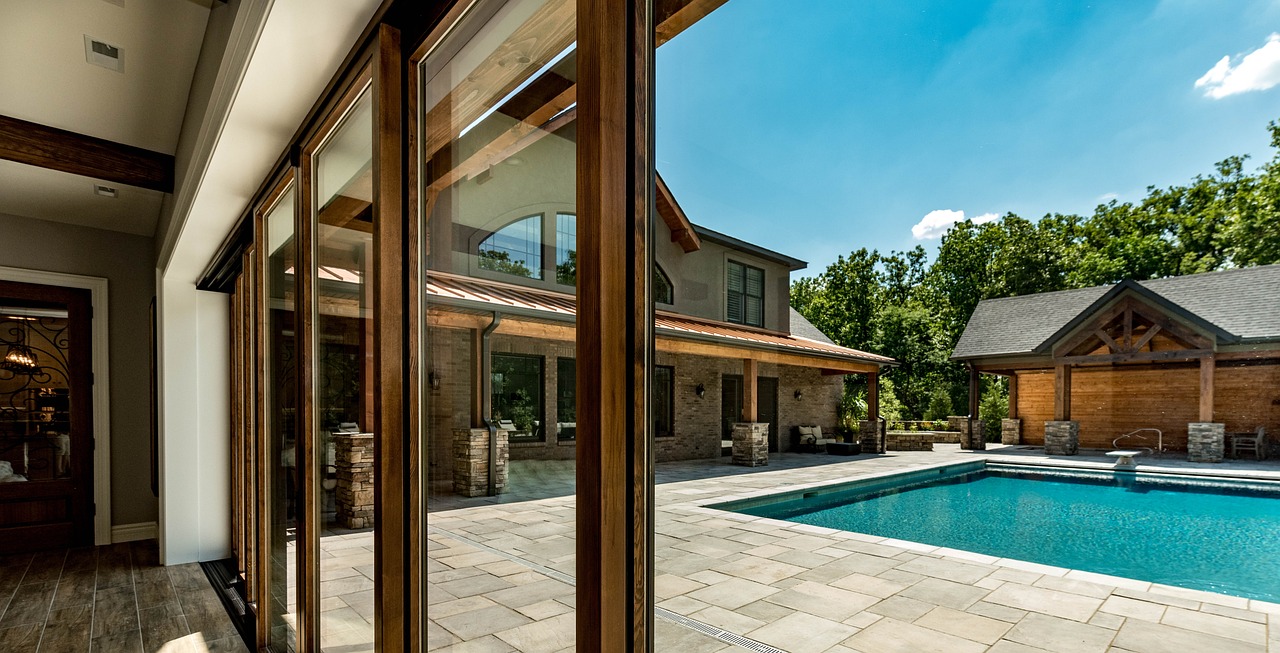
Perla, the snow-white Bichon Bolognese dog, watched with curiosity as the French-American girl and the Slovak boy played in the pool. If her owner had allowed it, she would have observed the children from one of the loungers up close. However, María José, the elderly Canarian lady, never let her little pet out of her sight.
Partly because she wanted to protect her one-and-a-half-year-old dog from strangers, and partly because she wanted to avoid any unnecessary fuss in case Perla lashed out at someone. Not that the tiny dog would harm anyone, but Ted from House Number Five, who was always ready for an argument, might still accuse her of such things. In fact, the day after his move-in, Ted had already approached María José to inform her, quite bluntly, that he couldn’t stand barking, dog poop, or dogs in general.
“If that dog barks, I’ll call the police immediately. And if I find any poop, I’ll smear it into that furball’s coat. Understood?”
María José didn’t have time to respond because by the time she opened her mouth to speak, the wiry little man with Coke bottle glasses had already stormed off. The confrontation—or rather, the stern warning—had only one witness, the German retiree from House Number Three, who kept a watchful eye on everyone. The two women’s gazes met for a brief moment, but María José wasn’t sure if her neighbor’s expression conveyed sympathy. Ludmilla’s deeply wrinkled face seemed more like it bore a trace of satisfaction.
Fortunately, the other residents of 22 Calle la Rosa adored Perla, the playful, sweet, and silly little dog. Even Heidi, the sulky teenage girl, never missed a day to pet her fluffy white neighbor. María José had a fondness for the German family. She admired how the father, who worked from home, often prepared barbecue lunches for his high school-aged kids and his wife, who taught at a German private school. Moreover, Günter brought María José some of the meals he cooked every weekend, which she usually reciprocated with small pastries or mojo sauces.
María José hadn’t yet revealed her secret to Günter—that she was a pastry chef who had twice won the biannual World Cup in France with her team. The German man clearly loved taking care of others, especially through food. The elderly woman appreciated the kindness she received from someone who was almost a stranger. She figured she would repay him later with some useful tips.
It just so happened that the families with small children all lived on the side of the courtyard facing the large pool, while María José and her teenage and retiree neighbors had moved into houses overlooking the small pool. The single woman didn’t mind the noise of children at all. In fact, she enjoyed hearing their cheerful laughter and the sounds of carefree play. Her grandchildren were all grown up and only visited occasionally.
Although she had been wary of the two teenagers, Heidi and Uwe pleasantly surprised her. Despite their grumpy appearance, they turned out to be kind and humorous kids. They spoke Spanish well and willingly, unlike many other foreign teens their age. Then again, the family had lived on the island for years, and the siblings had had time to learn the language.
The laughter of the two splashing children turned into squeals as their mothers pulled them out of the water to take them for lunch. María José instinctively glanced toward Ted’s house. Would that lunatic storm out onto his balcony again and angrily whistle at the two women, as he had last time when he wanted to silence them? This time, however, nothing happened. Perhaps the mothers had been expecting this as well, because they quickly scooped up their little ones.
Perla let out two or three disappointed yaps as a farewell. She never barked louder than that and only growled when she heard Ted’s voice. Even then, it was a quiet growl, more like a purr. Only Ted’s presence managed to ruffle her soft, woolly, silky coat.